Protect Your Family With Experience On Your Side

South Carolina DSS investigation and defense support

When the South Carolina Department of Social Services becomes involved with your family, decisions can happen quickly and carry lasting consequences. Choosing the right legal team can help you understand the process and respond confidently at every stage.

35 Yearsserving South
Carolina families
5Charleston-based
attorneys
2,000+clients
served

Meet Your South Carolina DSS Defense Attorney Team

Since 1997, our women-led firm has been dedicated to offering exceptional family law counsel and expertise to clients in South Carolina. Our trusted and knowledgeable attorneys help parents and caregivers understand what is happening, what may come next, and how to respond when DSS becomes involved with their family.

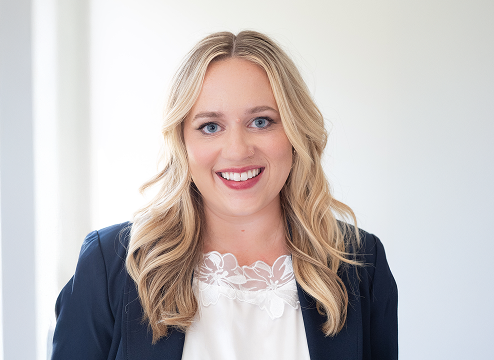
Portrait of Anne Frances Bleecker

Anne Frances Bleecker

Founder, Family Law Attorney

For 35 years, Anne Frances has represented clients facing divorce, custody, and other family law matters. She is a graduate of the University of South Carolina School of Law and a recipient of its Compleat Lawyer Award, recognizing civic and professional accomplishments.
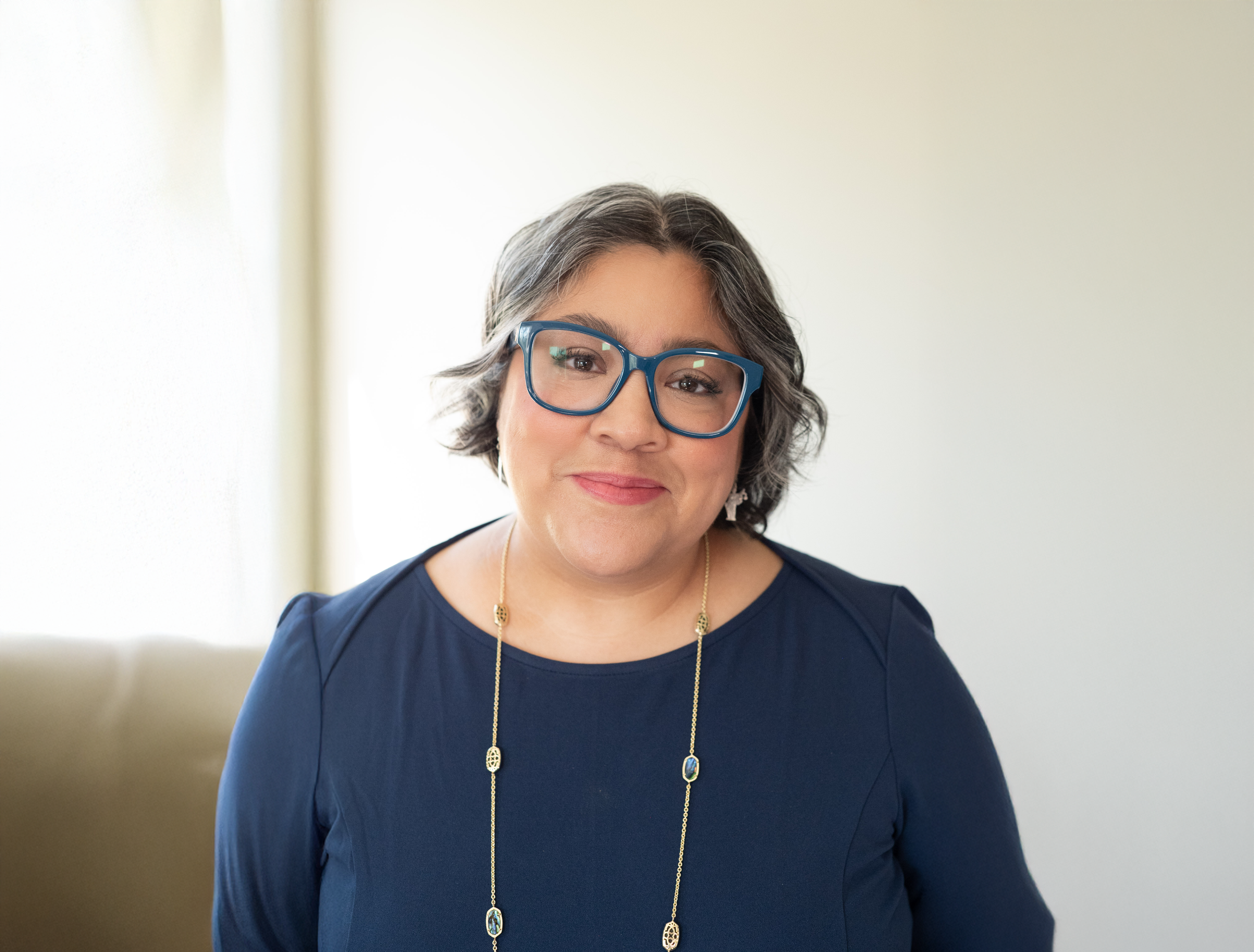
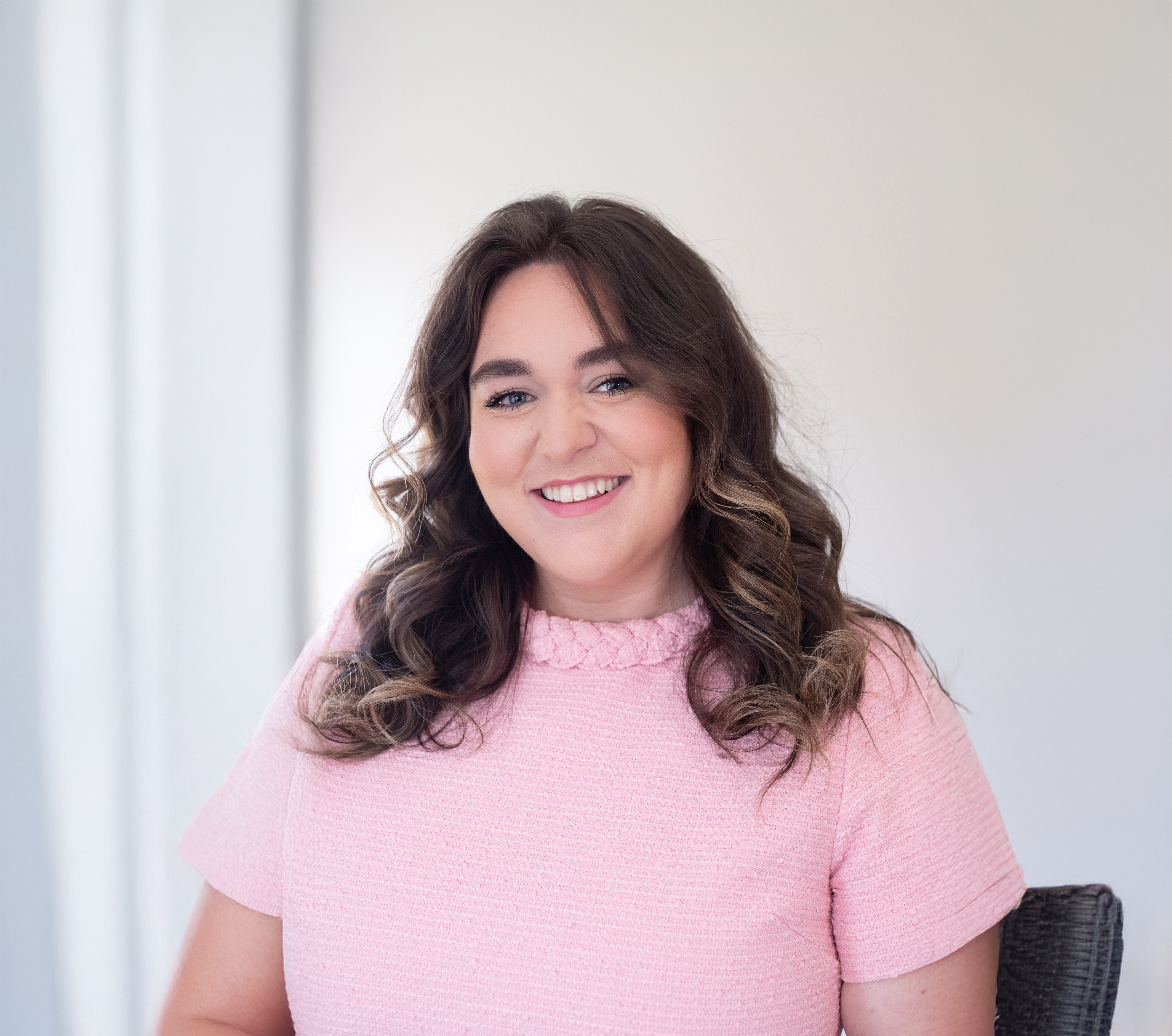
Portrait of Beverly V. Snelgrove

Beverly V. Snelgrove

Partner, Family Law Attorney

Beverly focuses her practice on separation and divorce, custody, child support, DSS defense, and contempt matters. She joined Bleecker Family Law in 2019 and was named a partner in 2025. She was also recognized among the Charleston Regional Business Journal’s Forty Under 40 in 2021.

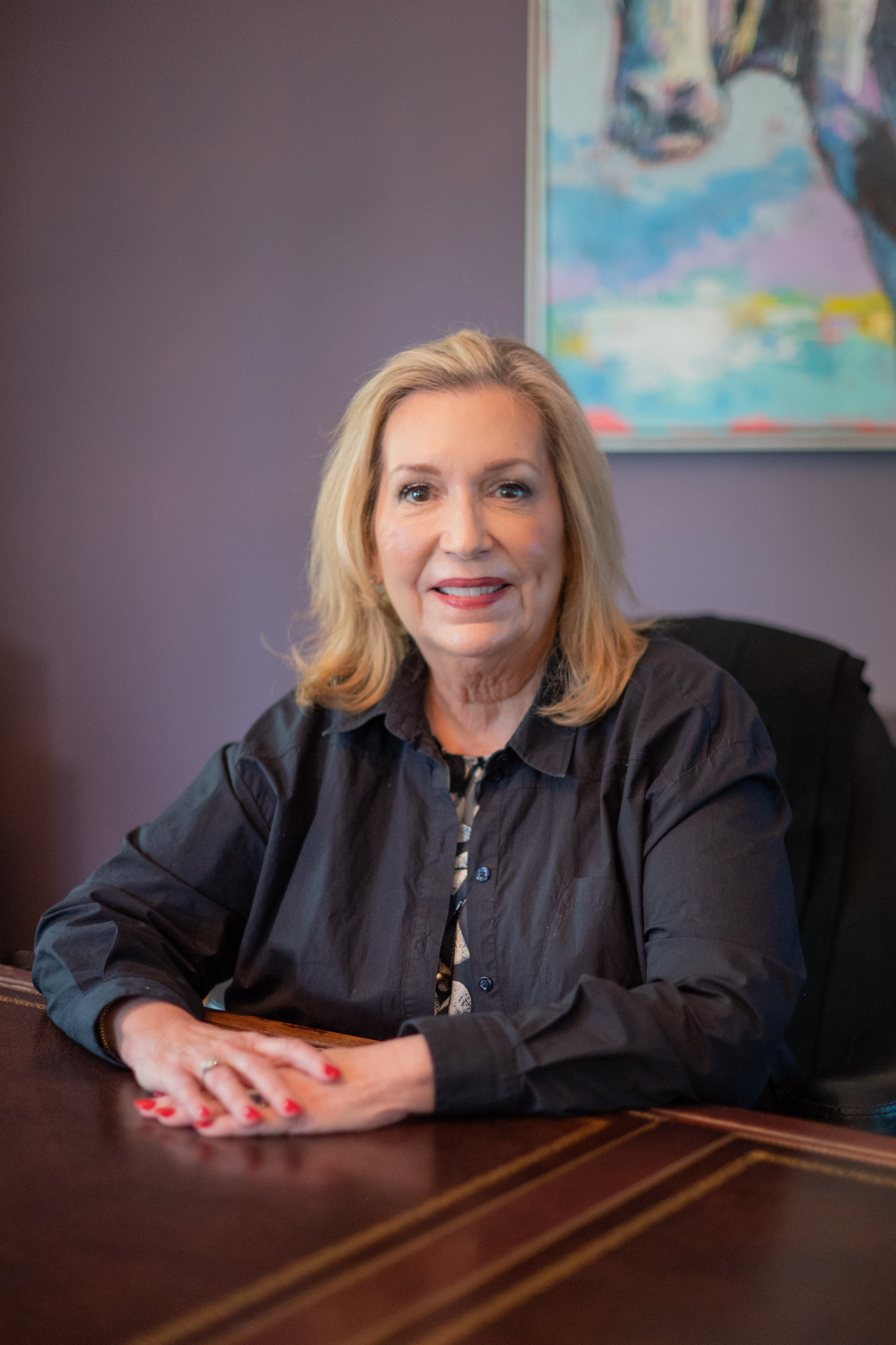
Portrait of Sue Chang

Sue Chang

Family Law Attorney, Certified Family Court Mediator

Sue brings experience representing clients in divorce, child custody, and other Family Court matters. She is also a South Carolina Supreme Court Certified Family Court Mediator and a member of the National Hispanic Bar Association and the National LGBT Bar Family Law Institute. She is fluent in Spanish.

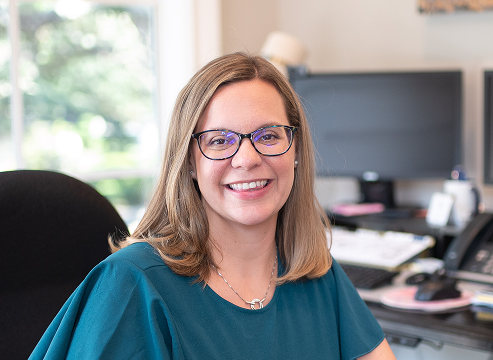
Portrait of Hannah Kingery

Hannah Kingery

Family Law Attorney

Hannah first joined Bleecker Family Law as a summer law clerk. During law school, she was actively involved in the Civil Practice and Elder Law Clinic and the Women’s Law Forum. After graduation, she returned to Bleecker Family Law as an associate attorney. Hannah is licensed to practice in both Illinois and South Carolina.

Portrait of Grace D. Bossolini

Grace D. Bossolini

Family Law Attorney

Grace is a family law attorney dedicated to helping Charleston families find their best possible outcome. She earned her law degree from Charleston School of Law, where she led Women in Law and served in the Family Law Clinic. She was sworn in to the South Carolina Bar in 2026.

When should you speak with a DSS defense attorney?

You do not need to wait for a case to reach Family Court before speaking with an attorney. We help clients at many different stages, including those who:

  • Have been contacted by DSS about allegations of child abuse or neglect
  • Have been asked to participate in interviews or provide information during an investigation
  • Have been presented with a DSS safety plan or temporary placement arrangement
  • Are concerned that their child may be removed from the home
  • Have received an indicated finding following a DSS investigation
  • Are facing possible placement on the Central Registry of Child Abuse and Neglect

Find the Right Support

Every family and every DSS matter is different. Our attorneys take the time to understand yours. Please complete the form on this page to speak with our team.

Book Consultation

FAQs

What happens during a DSS investigation in South Carolina?

When DSS receives a report of suspected child abuse or neglect, the department may investigate the allegations and gather information about the child, family, and circumstances involved. Depending on the case, this may include speaking with parents, children, and other people who may have relevant information.

An investigation does not automatically mean that a child will be removed from the home. South Carolina law recognizes that only a comparatively small percentage of child abuse and neglect reports are criminal in nature or result in removal. Speaking with a family law attorney early in the process can help you understand what DSS is asking of you and how your response may affect the case.

Do I need an attorney during a DSS investigation?

You are not required to have an attorney simply because DSS has opened an investigation, but legal guidance can be valuable before you make decisions, sign documents, or respond to serious allegations.

An attorney can help you understand the investigation, the potential consequences of an indicated finding, and what may happen if DSS files a case in Family Court.

If DSS does initiate a judicial child abuse or neglect proceeding, South Carolina law provides that parents, legal guardians, and other people subject to the proceeding are entitled to legal counsel.

What is a DSS safety plan?

A safety plan is an arrangement DSS may use when it believes specific steps are needed to address an immediate concern about a child’s safety. A plan may include temporary placement with a relative or another approved caregiver and restrictions on contact intended to address the identified concern.

Because the terms of a safety plan can significantly affect daily family life and may be followed by additional DSS or Family Court action, it is important to understand what you are agreeing to before signing or making major decisions.

Can DSS remove my child from my home?

Under certain circumstances, a child may be taken into emergency protective custody or DSS may ask the Family Court to authorize removal. Whether removal is appropriate depends on the facts and applicable South Carolina law.

South Carolina’s child welfare statutes state that intervention should seek to avoid entry into protective services or foster care when possible, but they also allow removal when necessary to protect a child’s safety.

If your child has been removed or you have been told removal may occur, speaking with an attorney quickly can help you understand the upcoming court process and your rights.

What does an “indicated” DSS finding mean?

An indicated finding means DSS has determined that its investigation supports a finding of child abuse or neglect under the evidentiary standard required by South Carolina law. An indicated finding can lead to additional administrative or Family Court proceedings.

Depending on the circumstances, you may have the right to challenge the determination through the DSS appeals process. South Carolina law provides an appeals process for certain indicated findings that are not being brought before Family Court for disposition.

What is the South Carolina Central Registry?

The Central Registry of Child Abuse and Neglect is a state record maintained in connection with certain findings of child abuse or neglect. Registry information can be relevant in circumstances where South Carolina law requires screening for certain employment, volunteer, licensing, or caregiving roles.

Because placement on the Central Registry can have consequences beyond the immediate DSS investigation, it is important to understand whether registry placement is at issue and what options may be available to challenge the underlying finding.

Can I challenge an indicated DSS finding in South Carolina?

In some cases, yes. South Carolina law provides an administrative appeals process for certain indicated findings when DSS is not taking the case to Family Court for disposition. That process can include an interim review and contested case hearing.

If DSS ultimately affirms the finding, judicial review in Family Court may also be available. Deadlines and procedures matter in these cases, so it can be helpful to speak with an attorney promptly after receiving notice of an indicated finding.